
Battery-Boosted Journeys: Understanding the Integral Role of Car Batteries
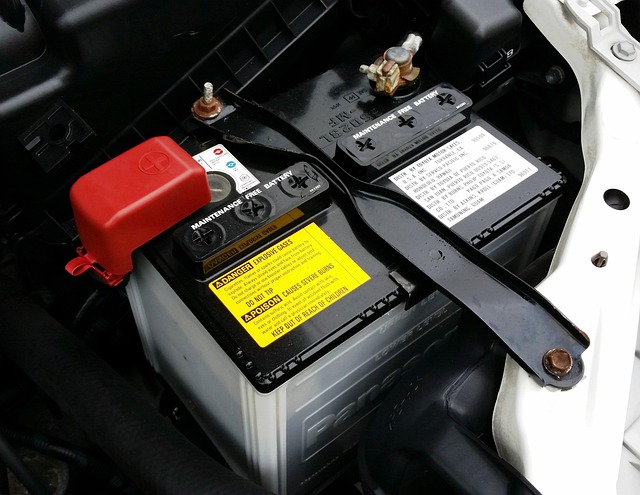
Every journey begins with a small act of faith. You turn the key, or press the start button, and trust that your vehicle will answer. In that split second, one component quietly carries the weight of your schedule, your safety, and sometimes even your memories: the car battery. It does not roar like the engine or grip the road like the tires, yet without it, your plans can stop before they even begin.
For many drivers, batteries are easy to forget—right up until the morning when the dashboard flickers weakly and the engine refuses to wake up. That moment can feel strangely personal. Your car, usually so dependable, suddenly asks for attention. Understanding what your battery does, how it wears down, and when to act can save you from frustration and help you stay confidently on the road.
Why the Car Battery Matters More Than You Think
A car battery is far more than a storage box for electricity. It supplies the energy needed to start the engine, power the lights, stabilize voltage, and support electronics when the engine is off. In modern vehicles, that responsibility has grown enormously. Navigation systems, heated seats, sensors, cameras, and phone charging all lean on the battery in ways earlier generations of cars never demanded.
Think of it as the silent heartbeat of the vehicle’s electrical system. When it is healthy, everything feels seamless. When it weakens, odd symptoms begin to appear. Headlights may dim. The engine may crank slowly. Power windows might seem sluggish. Those small signs often whisper before they scream.
There is also an emotional side to reliability. You may be heading to work, picking up children, or leaving for a long-awaited weekend escape. Strong car batteries support more than mechanics; it protects routine, comfort, and peace of mind.
How a Car Battery Works in Everyday Driving
Inside the typical battery, chemical reactions create and store electrical energy. When you start the car, that stored energy flows to the starter motor and ignition system. Once the engine is running, the alternator takes over much of the electrical load and recharges the battery.
Yet batteries do not remain perfect forever. Heat, cold, vibration, age, and frequent short trips gradually wear them down. If you mostly drive short distances, the battery may never fully recharge between starts. If your climate is very hot, internal fluid can evaporate faster. If winters are brutal, thick engine oil and freezing temperatures force the battery to work harder.
There is a simple truth here: every start asks something of your battery. Over time, those asks add up.
Warning Signs That Point to Car Battery Replacement
Recognizing trouble early can spare you from being stranded in a parking lot or on a dark roadside. Several common symptoms suggest it may be time to think seriously about car battery replacement.
The first sign is usually slow engine cranking. If the vehicle hesitates before starting, the battery may be losing strength. Another clue is dim interior or exterior lighting, especially before the engine fully turns over. You may also notice dashboard warning lights, electrical glitches, or a battery case that appears swollen.
Corrosion around the terminals is another red flag. Sometimes it can be cleaned, but in other cases it signals deeper aging. If your battery is more than three to five years old, testing becomes especially important.
There is a small story that captures this kind of neglect perfectly. One driver once had to rummage through an overstuffed trunk searching for jumper cables on a rainy evening, muttering with rising panic while groceries tipped sideways. The lesson landed hard: preparation always feels unnecessary until the exact moment it becomes essential.
When Testing and Timing Make All the Difference
A battery can look fine from the outside and still be close to failure. That is why regular testing matters. Many repair shops and auto parts stores can test battery voltage and cold cranking performance quickly. These checks reveal whether the battery is charging properly and whether it still has enough reserve power for dependable starts.
Timing matters too. Waiting until complete failure usually creates more stress than planning ahead. If test results are weak, or if the battery has already crossed the typical lifespan in your climate, car battery replacement is often the smarter path.
There is wisdom in replacing a fading battery before it collapses at the worst possible moment. Preventive care may not feel dramatic, but it often saves the day quietly.
Simple Habits That Extend Battery Life
You do not need to be a mechanic to help your battery last longer. A few habits can make a meaningful difference.
Keep the terminals clean and secure. Corrosion interferes with connection and performance. Avoid leaving lights or accessories on when the engine is off. If the vehicle sits for long stretches, consider using a battery maintainer. Try to combine short errands into longer drives when possible, giving the alternator more time to recharge the system.
Temperature awareness also helps. During intense summer heat, parking in shade can reduce stress. In severe winter weather, keeping the vehicle in a garage can offer some protection.
One family once paused beside a park fountain during a summer road trip, grateful for the cool mist after hours of driving through blistering heat. Later that week, they learned that the same heat that exhausted them had also been quietly aging the battery under the hood. The memory stayed with them, not as fear, but as a reminder that machines feel the season too.
Choosing the Right Battery for Your Vehicle
Not every battery fits every vehicle. Size, terminal placement, reserve capacity, and cold cranking amps all matter. Your owner’s manual provides the correct specifications, and following them is important. Choosing the cheapest option without checking requirements can lead to poor performance or installation issues.
Drivers in colder regions should pay close attention to cold cranking ratings. Vehicles with heavy electrical demands may need stronger capacity as well. A proper match supports reliable starting and protects sensitive electronics.
There is also a lesson in strain and adaptation. A weekend athlete once described a hypertrophic training plan with admiration, explaining how repeated stress changes muscle over time. Batteries are not muscles, of course, but the comparison lingers: repeated demands shape outcomes. Push any system hard enough, long enough, and support becomes necessary.
Keeping Your Journeys Moving Forward
Reliable transportation is built on small forms of care. Tires, fluids, brakes, and yes, the car battery all play their part. The beauty of understanding your battery is that it replaces uncertainty with awareness. You begin to notice signs earlier. You ask smarter questions. You act before inconvenience turns into crisis.
That simple source of stored energy does more than start an engine. It supports school runs, late-night drives home, family visits, and the quiet comfort of knowing your car will respond when you need it most. When you respect the battery’s role and respond to warning signs with timely maintenance, every trip begins with a little more confidence—and a lot more peace.

Mahesh Kumar is a dynamic marketing consultant and tech enthusiast with a passion for driving business growth through his innovative strategies and cutting-edge technology. With 10+ years of experience in the industry, he has helped numerous businesses leverage the power of digital marketing to reach their target audience, build brand awareness, and increase sales.