
Common Misconceptions About Health Insurance and Mediclaim Policies
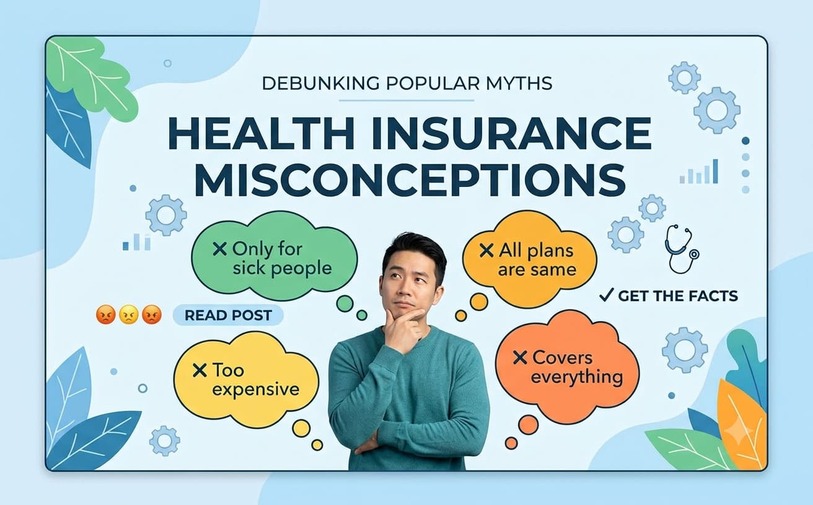
Buying health insurance is easy. Understanding what your policy includes takes a little more attention. It is common to assume that every policy works in the same way or covers every medical expense. In reality, features, waiting periods, benefits, and exclusions can vary from one policy to another. Understanding these differences before you buy can make it easier to compare policies, choose cover that suits your needs, and know what to expect if you ever need to make a claim.
Why Do People Confuse a Mediclaim Policy With Health Insurance?
The terms mediclaim policy and health insurance are often used interchangeably, but they are not exactly the same.
A mediclaim policy generally focuses on hospitalisation expenses up to the sum insured. It is primarily intended to provide financial support for eligible hospitalisation costs, subject to the policy terms and conditions.
A health insurance policy may offer broader protection, depending on the cover selected. Along with hospitalisation expenses, it may include benefits such as pre- and post-hospitalisation expenses, daycare procedures, ambulance charges, and other features.
Understanding this distinction can help you compare policies more effectively and choose one that matches your healthcare needs instead of relying on assumptions.
Does Having a Policy Mean Every Medical Expense Will Be Covered?
One of the biggest misconceptions is that buying a policy means there will never be any out-of-pocket medical expenses. However, every policy comes with terms, conditions, inclusions, and exclusions that determine how benefits apply.
For example:
- Waiting periods may apply to certain pre-existing conditions or specified treatments, depending on the policy.
- Some expenses, such as consumables, cosmetic procedures, or non-medical charges, may not be covered unless specifically included.
- Certain policies may include room rent limits, co-payment clauses, deductibles, or other conditions that can influence how expenses are shared.
Since these features differ across insurers and products, reading the policy wording carefully before purchasing or renewing a policy can help you understand what is included and where specific conditions may apply.
Is Buying a Policy Early Really Worth Considering?
Many people postpone buying health insurance because they are young and rarely need medical care. While every person’s situation is different, buying a policy earlier in life may have certain advantages. Applicable waiting periods can begin sooner, and premiums are generally influenced by factors such as age, health profile, and the policy selected.
Buying early also gives you more time to compare policies, understand their features, and make an informed choice based on your healthcare needs instead of making a decision during a medical emergency.
Is Employer Health Cover Alone Always Enough?
If your employer offers health insurance, it can be a helpful benefit to have. However, it is also worth remembering that workplace cover is usually linked to your job. If you move to a new company, take a career break, or retire, the cover available through your employer may change.
That is why many people also choose to buy a personal health insurance policy. It stays with them regardless of where they work and gives them the freedom to choose a plan that suits their own healthcare needs. For some, it also acts as a backup if their employer-provided cover changes in the future.
Whether you need a personal policy alongside workplace cover depends on your individual circumstances.
Conclusion
Understanding the difference between a mediclaim policy and health insurance can make choosing medical cover much easier. Equally important is recognising that policy benefits, waiting periods, exclusions, and other features vary across insurers and products. Taking the time to read the policy wording and compare available options can help you make informed decisions based on your healthcare needs. If you have questions about a policy’s features or benefits, always refer to the policy document or contact your insurer for clarification before purchasing or renewing your policy.

Pranab Bhandari is an Editor of the Financial Blog “Financebuzz”. Apart from writing informative financial articles for his blog, he is a regular contributor to many national and international publications namely Tweak Your Biz, Growth Rocks ETC.