
What Is a Demat Account? Meaning, Definition, and How It Works
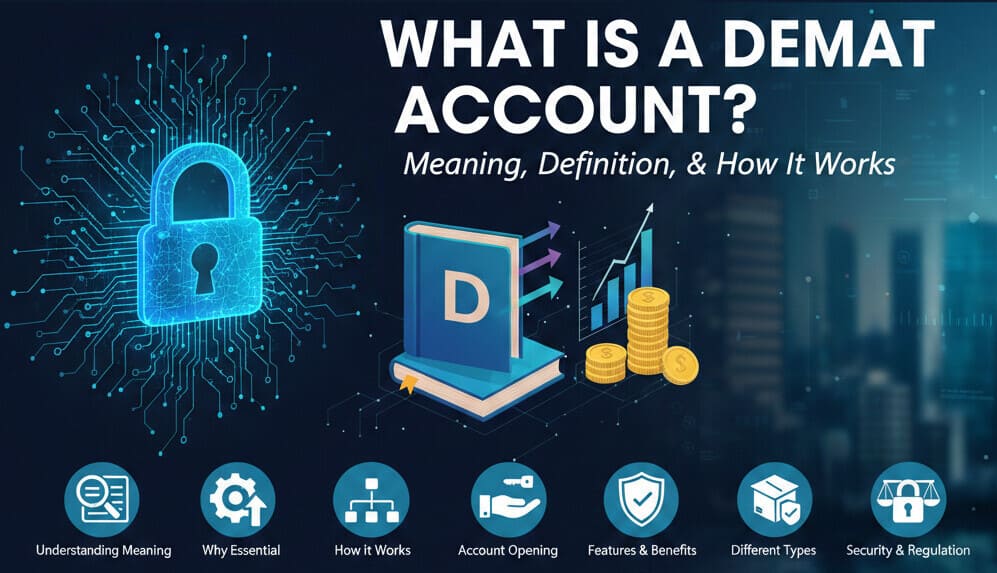
When people first start investing, they frequently query what a demat account is. In reality, it’s only a digital storage area for your securities. This account holds shares, bonds, and mutual funds electronically, doing away with all those bulky paper certificates that used to cause headaches. Knowing how to approach demat account opening sets the stage for smoother trading experiences right from the start.
Understanding the Meaning of a Demat Account
At its heart, a Demat account dematerializes physical securities into electronic entries managed by central depositories like NSDL or CDSL. Think of it as your personal online locker where investments live safely without the risk of loss or forgery. Brokers and banks serve as Depository Participants to handle the day-to-day interactions, making everything accessible through apps or websites. Since its inception in the late 1990s, this structure has drastically transformed how Indians accumulate wealth.
Why Demat Accounts Became Essential
Trading required piles of certificates that were vulnerable to theft, damage, or never-ending procedural delays prior to the advent of Demat accounts. Now everything happens digitally, with instant transfers and clear ownership records that settle trades in just one day. Regulators like SEBI pushed this change to clean up the markets and bring in more everyday investors. The demat account meaning extends to holding not just stocks but also ETFs, government bonds, and even sovereign gold units seamlessly.
How a Demat Account Actually Works
Your Demat account links up with a trading account and bank for fluid transactions. Purchases credit securities straight into the account on settlement day, pulling funds from your bank quietly in the background. Sales work the opposite way, debiting holdings and depositing cash promptly. Corporate events like dividends or bonus issues update automatically, saving you from manual claims. Platforms from providers like Angel One let you peek at real-time values and history with a few taps.
The Process of Demat Account Opening
Choosing a credible DP and completing a short online form with your PAN, Aadhaar, and bank information are the first steps in opening a Demat account. Video calls or OTPs handle verification these days, wrapping things up in hours rather than weeks. You e-sign agreements covering fees and rules, nominate a beneficiary if you want, and soon get your account number ready for action. Many skip annual charges entirely, keeping costs low for newcomers.
Read More: Security Features to Look for Before Opening a Demat Account
Key Features and Benefits for Investors
One big win lies in the unified dashboard showing all your assets in one spot, from stocks to mutual funds. Pledging shares for loans feels straightforward too, with instant valuations. No more stamp duties or courier fees eat into returns, and transfers to family happen swiftly upon nomination. Security layers like two-factor logins and encrypted data add peace of mind amid rising cyber worries.
Different Types of Demat Accounts
Regular residents stick with standard accounts for local plays, while NRIs pick repatriable ones for overseas fund flows or non-repatriable for domestic keeps. Joint accounts suit couples planning together, each with equal access controls. Providers customize these based on your needs, ensuring compliance every step. This flexibility broadens who can join the market comfortably.
Read More: How Different Is A Minor Demat Account From A Regular Demat Account?
The Role of Security and Regulation
SEBI oversees the whole show, enforcing audits and quick dispute resolutions through investor protection funds. Depositories utilise unchangeable logs to keep track of every move and flag questionable activity early. You may easily remain on top because you receive monthly bills and timely notifications for credits or debits. This reliability transforms a potentially risky routine into a reliable one.
Once you unpack the demat account meaning and see its gears turning, investing shifts from daunting to doable. It opens doors to markets that grow your savings steadily, all managed from your phone. Beginners find confidence here, ready to explore with solid footing.

Pranab Bhandari is an Editor of the Financial Blog “Financebuzz”. Apart from writing informative financial articles for his blog, he is a regular contributor to many national and international publications namely Tweak Your Biz, Growth Rocks ETC.