Understanding the Property Tax Protest Process
Why the Protest Process Exists
The property tax protest process was created to ensure fairness and accuracy in local tax assessments. Counties use mass appraisal systems that evaluate thousands of properties at once, which means mistakes can happen. When assessments are inaccurate, homeowners may end up paying more than their fair share. The protest system gives property owners a formal way to challenge errors and request corrections. This process also helps appraisal districts maintain transparency and accountability. By allowing homeowners to present evidence, the system ensures that tax values reflect real market conditions rather than automated estimates.
Reviewing Your Assessment Notice
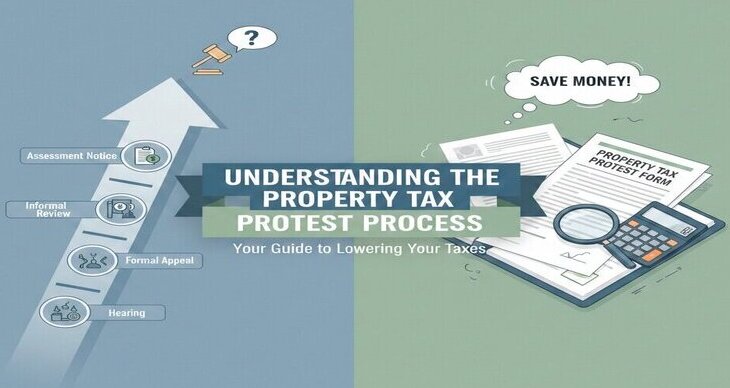
The first step in the protest process is to review the annual assessment notice sent by the county. This document outlines the county’s estimated market value of your property and the deadline for filing a protest. Homeowners should carefully examine the details listed, including square footage, improvements, and property conditions. Even small inaccuracies can lead to inflated values. It is also helpful to compare your assessment with similar homes in your neighborhood to determine whether your value seems unusually high. If anything appears incorrect or inconsistent, it may be a strong indicator that a protest is necessary. Some homeowners in Texas research how to protest property taxes in el paso county to better understand the steps involved in their specific region.
Preparing Evidence for Your Protest
Strong evidence is essential for a successful property tax protest. Homeowners should gather recent sales data for comparable homes, focusing on properties similar in size, age, and condition. Photos of structural issues or needed repairs, outdated features can also help demonstrate why the assessed value should be lower. Contractor estimates, inspection reports, and market analyses can strengthen your case further. It is important to organize this information clearly so it can be easily presented during the hearing. The more detailed and accurate your evidence, the more likely the appraisal district will consider adjusting your value. Preparation is key to ensuring your protest is taken seriously.
Attending the Appraisal Review Board Hearing
Once your protest is filed, you may be scheduled for a hearing with the Appraisal Review Board. This hearing gives you the opportunity to present your evidence and explain why your assessment should be reduced. Homeowners should remain calm, factual, and focused on the data rather than emotion. The board may ask questions or request clarification, so being familiar with your evidence is important. If the county appraiser presents their own data, you will have the chance to respond. Many homeowners find that a clear, well‑organized presentation significantly increases their chances of success. Even if the board does not grant the full reduction requested, partial reductions are common.
What Happens After the Decision
After the hearing, the board will issue a decision regarding your property’s assessed value. If the value is reduced, the change will be reflected on your upcoming tax bill. If the board denies your protest, you may have the option to appeal through arbitration or district court, depending on your county’s rules. Homeowners should review the decision carefully to ensure all information is accurate. Keeping records of your protest can also be helpful for future years, especially if you plan to challenge assessments again. Understanding the outcome and next steps ensures you remain informed and prepared for future tax cycles.
Conclusion
The property tax protest process gives homeowners a fair and structured way to challenge inaccurate assessments. By reviewing your notice, gathering strong evidence, and presenting your case clearly, you can help ensure your property is valued correctly. When assessments reflect true market conditions, the tax system becomes more equitable for everyone.

Pranab Bhandari is an Editor of the Financial Blog “Financebuzz”. Apart from writing informative financial articles for his blog, he is a regular contributor to many national and international publications namely Tweak Your Biz, Growth Rocks ETC.