
Is Climate Change Affecting Your Car Insurance Rates?
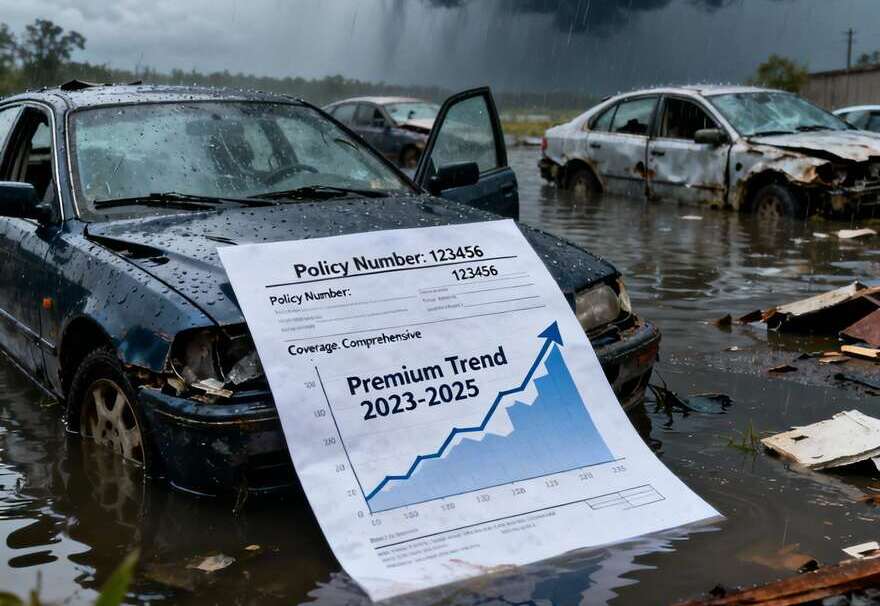
Climate change is no longer a distant concern. From unpredictable floods to extreme heatwaves, weather-related events are becoming an increasingly common part of everyday life. While the impact of climate change is often discussed in terms of health, agriculture, or energy, one area that many car owners overlook is its effect on car insurance rates.
As natural disasters become more frequent and intense, insurers are adjusting premiums and policies to reflect the increased risks. If you have recently noticed a rise in your premium while buying car insurance online, climate change could be one of the hidden reasons. Let’s explore how changing weather patterns are influencing your car insurance and what you can do to stay prepared.
Why Climate Change Matters in Car Insurance?
Car insurance relies heavily on risk assessment. The more risk your car is exposed to, the higher the premium you will pay. Traditionally, risk factors included your age, driving history, location, and type of car. In recent years, climate-related risks have become a significant factor in determining car insurance premiums.
For example:
- Flood-prone areas are seeing higher premium hikes
- Coastal regions face risks from cyclones and rising sea levels
- Heatwaves and wildfires are damaging vehicles in new ways
Insurers are recalculating risk because repair costs are soaring in regions that face climate-driven damage. A single flood event can lead to thousands of car insurance claims, straining insurance companies and prompting them to adjust premiums.
How Extreme Weather Events Impact Premiums?
Insurance premiums are closely linked to risk. With extreme weather events on the rise, these risks are higher, and so are the premiums.
1. Floods and Waterlogging
Floods have become one of the leading causes of car damage in India. Cars submerged in water often require expensive repairs for engines, interiors, and electrical systems. This increase in claims leads insurers to raise premiums for affected areas.
2. Heatwaves and Wildfires
Excessive heat weakens car batteries, damages tyres, and increases the risk of fires. Though less common in India compared to floods, insurers still factor in rising summer temperatures while calculating risks.
3. Storms and Cyclones
Powerful winds and falling trees can cause severe damage to parked vehicles. Comprehensive insurance policies typically cover such damages; however, the higher frequency of storms directly influences premium rates.
4. Changing Rainfall Patterns
Even moderate rains can now cause urban flooding due to poor drainage systems. Cities like Mumbai, Chennai, and Bengaluru often witness cars stranded in knee-deep water. These recurring events prompt insurers to reassess their pricing models.
The Role of Technology in Premium Calculation
To make pricing fairer, insurers are now relying on advanced data and digital tools. A car insurance policy premium calculator is one such tool that helps customers estimate their premiums based on multiple risk factors.
These calculators take into account:
- The make and model of the car
- Age and usage pattern
- Geographic location and risk zone
- Chosen coverage type (third-party or comprehensive)
- Add-ons like engine protection or roadside assistance
Climate-related risks are being increasingly incorporated into these algorithms. For instance, living in an area known for flash floods might raise your estimated premium when using an online calculator.
Why Comprehensive Insurance is More Important Than Ever?
With climate risks on the rise, having only third-party insurance is no longer sufficient. While third-party cover is legally mandatory, it does not protect your own vehicle from damage caused by floods, storms, or fire.
Opting for a comprehensive plan ensures:
- Coverage for natural calamities
- Protection against theft and accidents
- Financial safety from climate-related damages
Buying Car Insurance Online: A Smarter Move
In 2025, purchasing car insurance online is not only convenient but also cost-effective. With digital platforms, you can:
- Compare multiple insurers instantly
- Use a car insurance policy premium calculator to check affordability.
- Add climate-specific riders, such as engine protection.
- Renew policies without paperwork.
Moreover, online platforms often provide discounts that reduce the impact of rising premiums, making it a practical choice for cost-conscious drivers. Zurich Kotak, for example, offers premium discounts like a of up to 50% for claim-free years. These discounts help lower the premium cost, making comprehensive coverage more affordable.
How Can You Control Rising Premiums?
While you cannot control climate change, you can take proactive steps to manage your insurance costs.
1. Choose the Right Coverage
Do not compromise with basic cover. Instead, select a comprehensive plan that accounts for natural disasters.
2. Install Safety Features
Anti-theft devices and flood-protection accessories can lower your risk profile, leading to discounts.
3. Maintain a Clean Driving Record
Even as climate risks increase, your personal driving habits remain a major factor. Safe driving keeps premiums stable.
4. Opt for Higher Deductibles
If you are confident in your driving skills and live in a moderately safe area, choosing higher deductibles can reduce your annual premium.
5. Bundle Add-ons Wisely
Select add-ons like engine protection and roadside assistance that specifically address climate-related issues.
The Future of Car Insurance in a Changing Climate
Looking ahead, the car insurance industry is expected to integrate climate data more deeply into risk models. Insurers may introduce location-based premiums, where people in high-risk areas pay more than those in safer regions.
Telematics and IoT devices will also play a role in monitoring driving patterns and weather-related risks. For example, a sensor can detect if a car is frequently exposed to flooding, influencing renewal premiums.
Read More: How Monitoring Credit Score Can Help You Save On Car Insurance
Final Thoughts
Climate change is reshaping the way we live, drive, and insure our vehicles. Car insurance premiums are no longer just influenced by your car or driving record. They are increasingly tied to environmental risks.
By choosing comprehensive coverage, comparing policies online, and using a car insurance policy premium calculator to understand your costs, you can make informed decisions that balance affordability with protection.
The bottom line
While climate change may increase risks, staying proactive with your car insurance ensures that you remain financially secure, regardless of what the weather brings.

Pranab Bhandari is an Editor of the Financial Blog “Financebuzz”. Apart from writing informative financial articles for his blog, he is a regular contributor to many national and international publications namely Tweak Your Biz, Growth Rocks ETC.