
How to Transfer Car Insurance When Buying or Selling a Used Vehicle
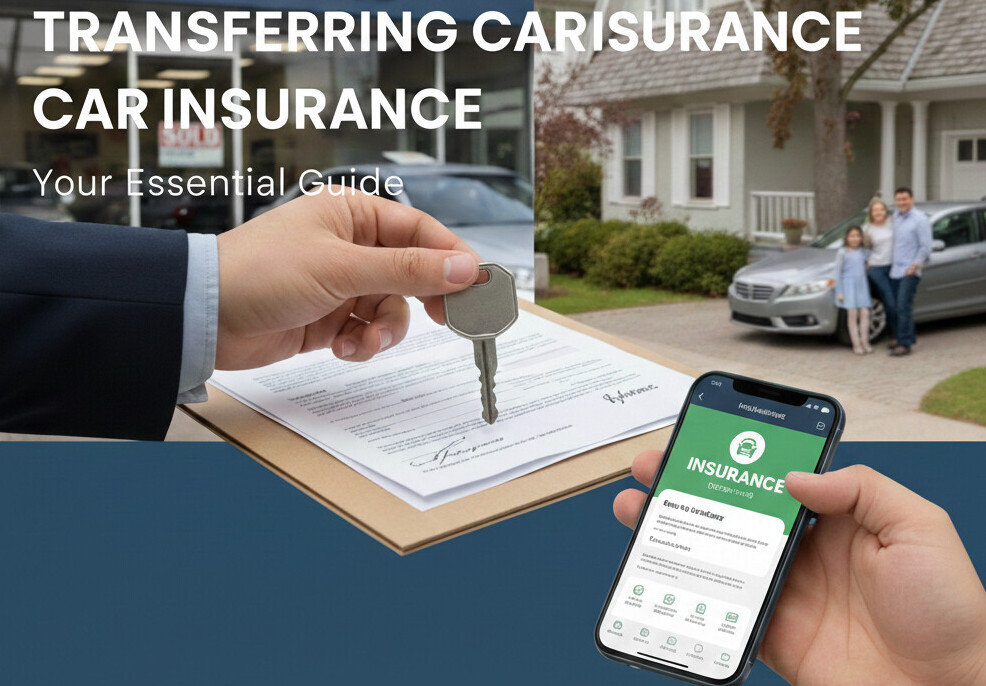
Buying or selling a used car is a common practice in India, but many people overlook the importance of insurance-related formalities during the process. While ownership transfer is usually prioritised, updating insurance details is equally essential to avoid legal and financial complications. Understanding how insurance works during a vehicle sale helps both buyers and sellers ensure continuous protection and compliance with motor laws from the very first day.
Introduction: Why Car Insurance Transfer Is Important
Buying or selling a used car involves more than just transferring ownership. One of the most important steps in this process is transferring the existing insurance policy to the new owner. A proper car insurance transfer ensures that the vehicle remains legally insured and that the coverage benefits apply to the correct person. Without completing this step, the insurance policy may become invalid in case of an accident or damage. Understanding the transfer process helps both buyers and sellers avoid legal issues and financial losses while ensuring uninterrupted protection under car insurance in India.
When and Why You Should Transfer Car Insurance
Car insurance must be transferred immediately upon a used vehicle’s ownership changing. Under Indian law, third-party insurance is mandatory, and driving a vehicle without valid insurance is illegal. When a car is sold, the insurance policy does not automatically shift to the new owner unless the transfer process is completed.
For buyers, transferring car insurance ensures that claims can be made legally in case of accidents or damage. Without a valid transfer, the insurer may reject claims, even if the policy is active. For sellers, completing the transfer removes future liability related to the vehicle. Any accident involving the car after sale could still be linked to the seller if the insurance is not transferred correctly.
A timely car insurance transfer also allows the buyer to continue benefits, such as No Claim Bonus (if applicable), and maintain uninterrupted coverage under a reliable car insurance policy.
Documents Required for Car Insurance Transfer
Submitting the correct documents is a crucial part of the transfer process. Insurance companies require proof of ownership change and identity verification to update policy details.
The commonly required documents include:
- Duly filled car insurance transfer application form.
- Copy of the existing car insurance
- Registration Certificate (RC) with ownership transfer details.
- A sale agreement or delivery note signed by the buyer and seller.
- Form 29 and Form 30 (RTO forms for ownership transfer).
- Identity proof and address proof of the buyer.
- Passport-sized photographs of the new owner.
Providing complete and accurate documentation helps avoid delays and ensures smooth processing of the car insurance transfer request.
Step-by-Step Process to Transfer Car Insurance in India
The process of transferring car insurance is simple if followed step by step. Below is a clear explanation of how it works.
Step 1: Inform the Insurance Company
The buyer or seller must inform the insurer of the vehicle’s sale. This should ideally be done within 14 days of ownership transfer. Delays may affect claim eligibility.
Step 2: Submit Required Documents
Submit all required documents, including the RC transfer proof and application form, to the insurance provider. These documents help verify the change in ownership.
Step 3: Inspection of the Vehicle (If Required)
In some cases, the insurer may inspect the vehicle before approving the transfer. This step ensures that the car’s condition matches policy records.
Step 4: Policy Endorsement
Once documents are verified, the insurer updates the policy details by endorsing the new owner’s name. This confirms the successful completion of the car insurance transfer.
Step 5: Receive Updated Policy Document
After endorsement, the updated policy document is issued to the buyer. This document serves as proof of valid car insurance coverage under the new ownership.
Completing these steps ensures continued protection and compliance with insurance regulations in India.
Common Mistakes to Avoid During Insurance Transfer
One common mistake is assuming that insurance automatically transfers with vehicle ownership. This is incorrect and can lead to claim rejection. Another mistake is delaying the transfer process beyond the permitted timeline, which increases legal and financial risks.
Incomplete documentation is another frequent issue. Missing forms or incorrect details can cause unnecessary delays. Some buyers also forget to update personal details, such as address or contact information, which may lead to communication problems with the insurer.
Choosing not to review the policy after transfer is another oversight. The buyer should assess whether the existing coverage suits their needs or if switching to the best motor insurance option is more beneficial.
Conclusion
Transferring car insurance when buying or selling a used vehicle is a vital step that should never be ignored. It ensures legal compliance, protects both parties from liability, and guarantees uninterrupted coverage. A well-executed car insurance transfer allows buyers to enjoy financial protection from day one while sellers avoid future complications.
Understanding the process, preparing documents in advance, and completing the transfer on time help make the transition smooth. Whether you continue with the existing policy or switch to the best motor insurance available, proper transfer ensures peace of mind and secure ownership under a valid car insurance policy in India.

Pranab Bhandari is an Editor of the Financial Blog “Financebuzz”. Apart from writing informative financial articles for his blog, he is a regular contributor to many national and international publications namely Tweak Your Biz, Growth Rocks ETC.