
Managing Business Risks With Liability Coverage
Key Takeaways
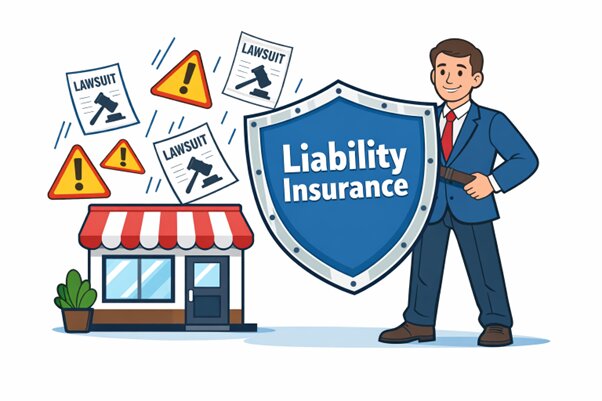
- Liability insurance is a fundamental component in protecting businesses from expensive lawsuits and claims.
- Recognizing and selecting appropriate liability coverage types ensures your policy matches your risk exposure.
- Ongoing risk assessments and employee education are essential for minimizing exposure and reducing incidents.
In today’s dynamic business environment, risk management is foundational to the longevity and stability of any enterprise. Unexpected lawsuits and claims can disrupt operations, threaten reputations, and drain financial resources. Having the right protection in place is essential to guard against these potential setbacks. One of the most effective ways to secure your business is through general liability insurance coverage, which offers vital financial safeguards.
Liability insurance not only shields businesses from substantial losses but also ensures that unforeseen legal issues do not compromise their growth or daily functions. Understanding coverage options and implementing strategic risk management can make the difference between resilience and vulnerability. Fortifying your business through insurance ultimately empowers you to focus on growth and innovation without the cloud of looming liabilities.
Understanding Liability Insurance
Liability insurance serves as a financial safety net for businesses. It is designed to cover legal costs, settlements, and expenses associated with claims arising from bodily injury, property damage, or other losses that may be deemed the company’s responsibility. Without liability insurance, businesses would face the burden of paying legal fees and damages out of pocket, which could severely affect their financial health or even force closure.
This type of coverage can also enhance your credibility among clients, vendors, and partners who want assurance that your business is protected from potential lawsuits. Many contracts and business relationships now require evidence of liability insurance before any agreement is formalized, reflecting its growing importance across industries.
Types of Liability Coverage
There are several key types of liability insurance that businesses should evaluate to ensure comprehensive protection:
- General Liability Insurance: This is the cornerstone of business protection, covering bodily injury, property damage, and personal or advertising injury caused by your business operations, products, or accidents on premises.
- Professional Liability Insurance: Often referred to as Errors and Omissions (E&O) insurance, this policy protects businesses that provide professional services against negligence claims, errors, or failures in the services they render.
- Product Liability Insurance: This coverage is vital for businesses that manufacture, distribute, or sell products. It protects against claims arising from defective products that cause injury or damage.
- Employment Practices Liability Insurance (EPLI): This policy protects businesses from claims and lawsuits arising from employment practices, including wrongful termination, discrimination, harassment, and other workplace issues.
Assessing Your Business Risks
Conducting detailed risk assessments is one of the initial steps in building a strong liability coverage plan. Every business has unique exposures based on its industry, size, location, and day-to-day operations. For example, a restaurant faces different risks compared to a technology consulting firm. Business owners should identify potential hazards, such as workplace accidents, customer injuries, professional errors, and product malfunctions, then evaluate the likelihood and potential severity of each threat.
Effective risk assessment enables prioritization, ensuring resources are allocated to the greatest vulnerabilities. By understanding your exposures, you can make more informed choices about policy types and coverage limits, reducing the odds of being underinsured if a claim arises.
Implementing Risk Management Strategies
Once risks are identified and prioritized, businesses should adopt proactive strategies to mitigate them. Key best practices include establishing clear safety protocols, conducting regular employee training, and keeping reliable records of operations and incidents. Frequent equipment inspections, thorough hiring and onboarding processes, and comprehensive emergency response plans are essential. Additionally, implementing accessible written safety guidelines and scheduling regular safety audits to address emerging hazards is crucial. Fostering a workplace culture that values continuous improvement and safety can significantly reduce the frequency of claims and potentially lower insurance premiums. According to Forbes, effective risk management is vital for sustainable business growth, protecting resources and reputation.
Choosing the Right Liability Insurance
Choosing a liability insurance policy tailored to your business starts with a clear understanding of your unique risks. Industry standards, state and federal regulations, the scale of your operations, and your business’s annual revenue all play important roles in determining your required coverage. Consulting with an experienced insurance professional can help you navigate options, exclusions, and endorsements to arrive at a solution that balances adequate protection with prudent spending.
It is essential to avoid both underinsuring, which can leave you exposed to financial loss, and overinsuring, which may waste valuable budget. Policies should be reviewed to ensure alignment with your risk profile and business strategy, including specific terms, deductibles, and coverage limitations.
Regular Policy Reviews and Updates
Businesses change over time. Whether you are expanding, reducing staff, adopting new technologies, or entering a different market, your risk exposure can shift significantly. Scheduling annual or biannual reviews with your insurer ensures your coverage accurately reflects your current operational reality. Major business milestones, such as mergers, acquisitions, or relocations, warrant immediate policy evaluations.
This vigilance ensures that your liability coverage remains relevant, effective, and compliant with both industry standards and legal obligations. Continual policy optimization plays a critical role in resilient risk management.
Training and Education
Creating a culture of awareness and safety requires ongoing investment in staff training and education. Employees should understand the role of liability insurance, identify the risks associated with their specific roles, and be empowered to take corrective action. Regular training workshops refresh knowledge, promote consistent protocols, and remind staff of the importance of compliance and incident reporting.
By keeping all members of your organization informed and engaged, you help maintain a safe environment and substantially reduce liability exposures.
Conclusion
Safeguarding your business through liability coverage is not a one-time task but an evolving process. By proactively conducting risk assessments, maintaining robust training programs, and regularly reviewing your insurance policies, you can confidently protect your business from disruptions caused by lawsuits, claims, or unexpected incidents. A well-chosen liability policy forms the foundation of a secure, thriving enterprise.

Pranab Bhandari is an Editor of the Financial Blog “Financebuzz”. Apart from writing informative financial articles for his blog, he is a regular contributor to many national and international publications namely Tweak Your Biz, Growth Rocks ETC.